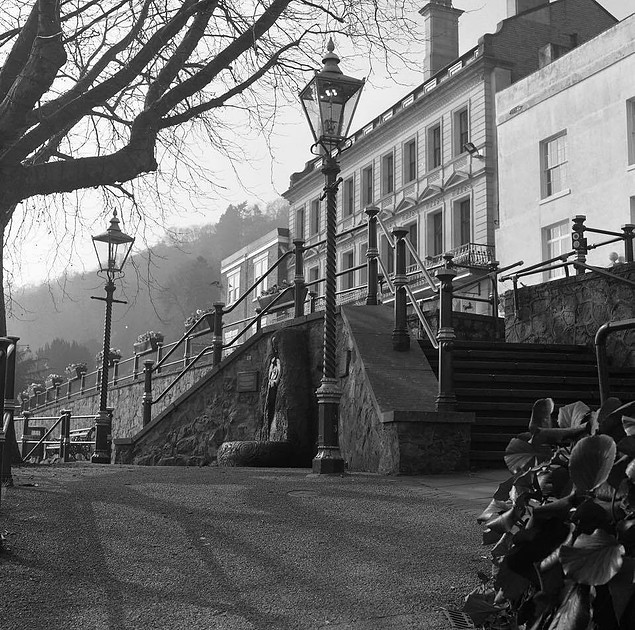
“Just write every day of your life. Read intensely. Then see what happens..."Ray Bradbury on writing Ok, so there won't be a post everyday, but this is where I'll be sharing short stories about my adventures as an artist and student. Check back here for the latest updates by clicking the subscribe button below. Artists who Inspire Me: Ansel AdamsIt’s difficult to talk about famous photographers to people who aren’t all that interested in photography, as most of the time they’ve never heard of them. It seems that many artists who have shaped the medium are generally not all that well-known beyond it. However, this isn’t really the case with Ansel Adams. When I was younger, people who wanted to add a touch of class to their homes would hang large prints on the wall and, apart from those awful ‘magic eye’ prints that were popular in the early ‘90s, many people chose Adams’ beautiful landscapes. His photographs of Yosemite National Park became perhaps the most famous, so even if the name wasn’t familiar, the images of Half Dome and El Capitan were instantly recognisable to many people. His pictures emphasised the features of the landscape that we might not be familiar with, particularly if photographs were our only experience of the location. The scale, beauty and fragility of the natural world are represented primarily in black and white, with drama introduced through his use of contrast, both in camera and in post-production. “The negative is the equivalent of the composer's score, and the print the performance”, Ansel Adams What he meant here was that the process of making a picture (‘making’ as opposed to ‘taking’) doesn’t end with the shutter being pressed; the film negative is the basis for the finished picture after work in the laboratory. Examples of his work are linked below. It’s safe to say that with his ability to really look at a landscape, coupled with his vast technical skill resulted in Adams having more of an impact on my photographic learning than any other practitioner. In 1932 he collaborated with fellow photographers in California to form the f/64 group. The name referred to f/64, which is a very small aperture used in large format photography to capture as much detail in focus as possible. This inferred the purpose of the group. They became passionate about a subject being recorded as precisely and with as much detail as possible, regardless of the genre. This was in direct conflict with pictorialism, which dominated photography at the time. Pictorialism was the application of photography in a similar way to traditional arts such as painting and sculpture, where the photographer manipulated tonality and composition to satisfy their aesthetic aims. The approach of the f/64 group inspired the early documentary photographers such as Walker Evans and Dorothea Lange who started out recording life ‘as is’ and later evolved their own creative voices in telling stories. For many years, the precise, accurate images made by the group were not considered art, instead being thought of as aesthetically pleasing. As photography evolved, so too did the attitudes to the subject with the visualisation by the photographer being every bit as much artistic voice as what was in the mind of a painter. Adams’ work became commercially successful during the latter part of his life and it continues to be prized nearly 40 years after his death. In the early 1940s, Adams collaborated with fellow photographer and teacher Fred Archer to create The Zone System, a method by which the tonal values of a scene could be identified and translated into exposure on film. This work would become hugely influential in how photographs were made. The system helped the photographer understand the scene during what Adams called pre-visualisation (how the picture would look) and then determine the settings for the camera. When I started using film again a few years ago, I turned to Adam’s book The Negative in order to learn how to shoot for the best negative I could get. It helps slow the process of viewing and visualising in a way that gives the photographer a good chance of achieving a workable negative for printing. I didn’t get it right all the time, but the picture below is from my first roll of Ilford FP4 shot in my Hasselblad 500c/m. It was enough to encourage me to keep shooting and learning.
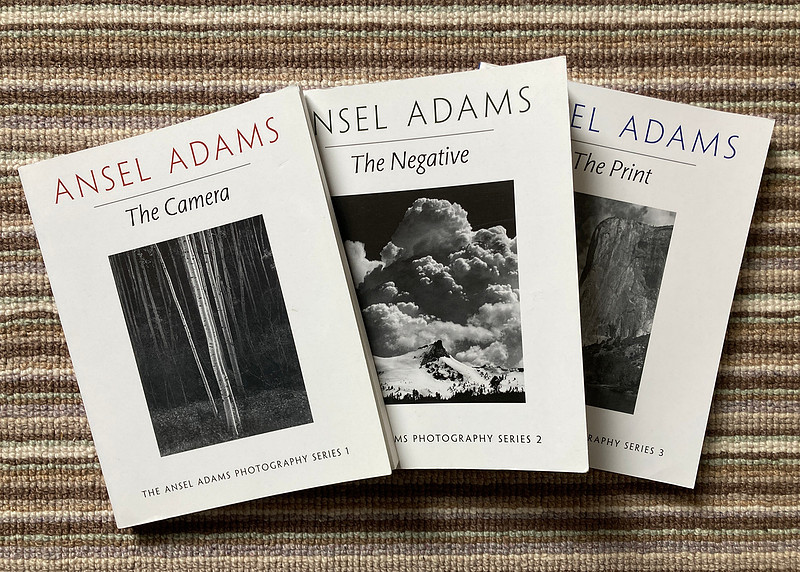
The book is part of a three-book series which includes The Camera and The Print, all published towards the end of Adams’ life and being the culmination of his considerable technical knowledge.
I still consider these to be the most important books ever published on the whole photographic process, despite the advances in digital technology. By the time digital imaging technology came on the scene, Adams was an old man. However, he did live to see scanning technology used on his book series and was said to be impressed by the quality of the reproductions of his pictures. People who knew him well said that he was excited about the digital future, not wanting to stand still in the face of progress. Sadly, when he died in 1984, digital cameras hadn’t quite made it to market with the first commercially available models being made in the early 1990s. I like to think about what kind of photographer Adams would be today. Would he have embraced Photoshop and become the world authority on it? Would he have taught photography via Youtube? Would he have had an Instagram account for his latest work? I like to think so. You can check out Adams’ work here:- Interested in taking up photography? I’m certainly no Ansel, but I am passionate about passing on what I’ve learned, both technically and creatively. Drop me a line for more details of tailored beginners’ tuition at [email protected]. If you'd like to see some of my work, please visit www.richperspective.co.uk
Artists Who Inspire Me: Joel MeyerowitzI mentioned a few weeks ago that I was going to write about the artists who inspire me as a photographer. The first thing to mention is that not all of them are photographers, which might seem a little odd at first, but will make sense when we think of photography’s roots as a technical medium. Except for documentary, the photographic genres as we know them, portraiture, landscape etc., all evolved from classical art such as painting and sculpture, so there will be a few of each in this series of posts. First up though, is the photographer who inspired me to take up film again: Joel Meyerowitz. Meyerowitz is an American photographer, known for his street work and in particular pioneering the use of colour in the genre. He’s also known for his hugely emotive images of the aftermath of 9/11 and his candid portraiture throughout the 1970s and 80s. I first became aware of him while watching the 2007 BBC television series The Genius of Photography. He was shown walking the streets of New York City getting close to people with his Leica M and taking pictures. In his interview piece, he described how the city was so anonymous that his subjects didn’t believe he was actually taking a picture of them – the thinking being ‘why would this guy be interested in me?’. His ability to go largely unnoticed in the crowd resonated with me, as being conspicuous makes me really uncomfortable when I’m out with my camera. I started to look closely at his street work, first in black and white and then in colour. Colour film was first available in the 1930s, but it wasn’t until decades later that it became financially viable to be shot in 35mm format. Meyerowitz started to see the colour as ‘supporting’ the composition rather than being a distraction; the latter still being a consideration today. At the time, black and white photography was seen as ‘art’ and colour as for ‘snapshots’. His street work draws on the decisive moment, where a unique moment from an event unfolding is observed and captured (for more on this idea, see Decisive Moment Article. It is one of his images from the 1960s that for me, is the best example of the decisive moment (I’m not including it here as it’s one of my pet hates when bloggers appropriate artists’ work for their own ends). Paris, 1967 depicts a chaotic scene involving a man who has fallen in the street in front of many passers-by. The image asks many questions about them moment because standing over the fallen man, is another man holding a hammer. Is he the aggressor in a fight that has just happened, or is he simply rushing to help the man? Are the onlookers shocked by the fall or the cause of it?. Have a look and let me know how you read it. From there, I discovered his large format portraiture and landscape work that he shot in Cape Cod in the late 1970s. The portraits have an uncluttered feel to them, but the subject’s gaze lets the viewer connect with their personality and how they feel at that moment being photographed. I’ve been studying the idea of the gaze in my course this past year and I keep coming back to Meyerowitz’s Cape Cod portraits as a reference. His landscapes taken during the same period, reveal the natural beauty of the sunrise and sunset over the Cape. The 8x10 inch negatives were used to produce very large prints which, when viewed, draw us into the landscape as if we could feel the sunlight and hear the sea. It was this series, called Cape Light, which led me to briefly meet Meyerowitz at a gallery show in London in 2016. He was just milling around, signing books and while he did mine, we talked briefly about his using the 8x10 camera for the series. He told me that shooting the camera with its single sheet of film, forced him to take his time over a shot. He could observe the scene carefully, without feeling the need to rush to pressing the shutter. Slowing down was a way of improving concentration and making a picture of what we have visualised in our minds. In addition, the sheer effort of lugging the heavy camera around, increased the need to make every shot count. I thanked him, bought a limited edition of his collective works Taking My Time (which he also signed), and went home. The next day I ordered a second-hand Hasselblad 500c/m medium format film camera online and started learning and shooting film. The rest, as they say, is history. Now in his 80s, Joel Meyerowitz continues to work across the genres that interest him, most notably in still life. He revisits and re-evaluates his previous work on his Instagram page, engaging in discussion with his followers, and shares previously unseen images from his long career. They say, “Never meet your heroes”, but on this occasion what the hell do they know? To see Joel’s work, please visit https://www.joelmeyerowitz.com/ or joel_meyerowitz on Instagram. Are you inspired to take up photography? Bought a shiny new camera (or even a shiny old one) that you don’t know how to use? Why not drop me a line at [email protected] to find out about some beginners’ tuition? My programme assumes no prior knowledge, can be delivered in person or online, and can be extended beyond the core principles as needed.
Brand Loyalty or Brand Snobbery?One of the most tedious questions I get asked when people learn that I’m a photographer is “What do you shoot with?” In some cases, it’s a simple ice-breaker, which indicates that the person doesn’t really know what to say or how to react (in fact it’s often being followed with “I just use my phone”). However, on some occasions it is the start of a conversation about brand loyalty. Over the past few years, I tend to mention that I’m brand agnostic because I have a collection of 50 cameras from a wide range of manufacturers. If that doesn’t send my converser running for the hills, I then confess to being ‘a Nikon man’. Thing is, I didn’t start out wanting to shoot Nikon. My first ever camera was a Voigtländer 110 and first SLR was a Fujica (I still have the latter). I ended up being a Nikon shooter because of my dad. He was a professional photographer and it was his recommendation that led me to my first DSLR, a Nikon D300 (yep, I still have it) and later to the camera I still shoot with now, the hefty D4. Like many, the decision to stick with a brand is driven by many factors but the main one is just being used to the way it handles. What irks me about that question though, is the frenzy of comments about megapixels, glass quality, ability to shoot video (which I genuinely don’t care about) etc that follows. The comparison can quickly turn into judgement, which for me just puts people off talking about photography. If someone is passionate about something, why make them feel like that? A few years ago, I was in New York for my birthday and I dragged my lovely wife to the Leica store to look at a very special lens that I had ambitions of owning one day. The store was everything one might expect from a premium camera manufacturer and very soon an immaculately dressed gentleman came over to ask me if he could help (or perhaps thrown me out). I told him that I wanted to try the Noctilux f/0.95, the fastest lens that Leica make. He dutifully brought out the beast, fitted to their M10 digital camera which at the time was the current incarnation of arguably one of the finest 35mm cameras ever made. The M series had been around for 70 years and was famed for its ease of use and near-silent shutter. I excitedly shot some pictures around the store and then the damned question came. The relevant answer was an M3 (1957) and an M6 (1984) which are two of the prized cameras in my collection. After the genial ‘congratulations’ on my choice of the classics, his next comment resonated and has stuck with me ever since. “The camera is really just a holder for the lens”. Wow! It’s not strictly true, but the sentiment behind it is spot on. The quality of an image is dominated by the quality of the lens and no number of functions or megapixels will really change that.
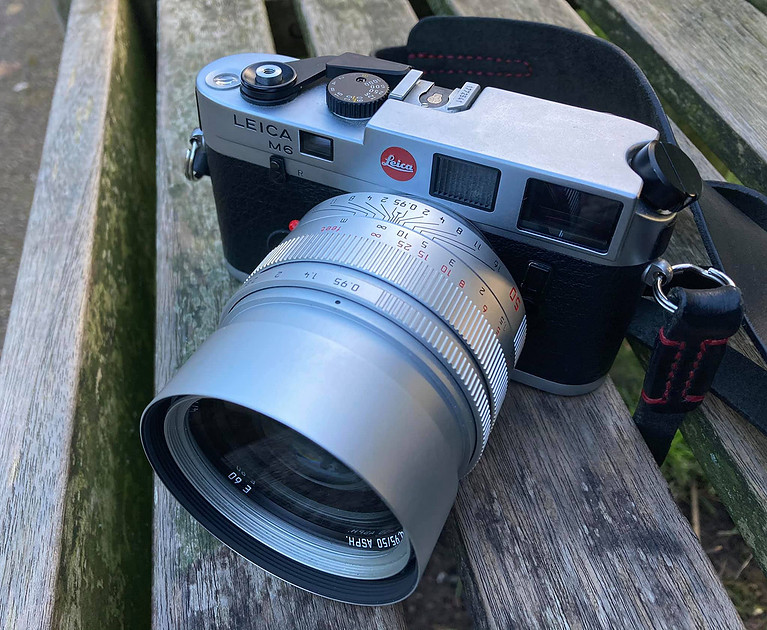
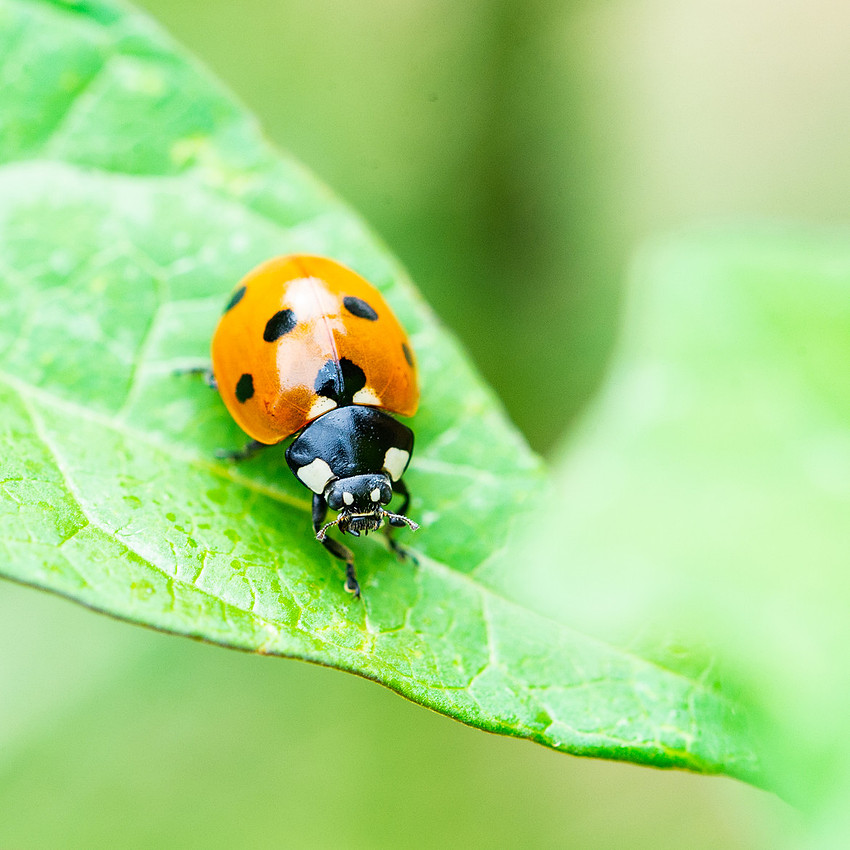
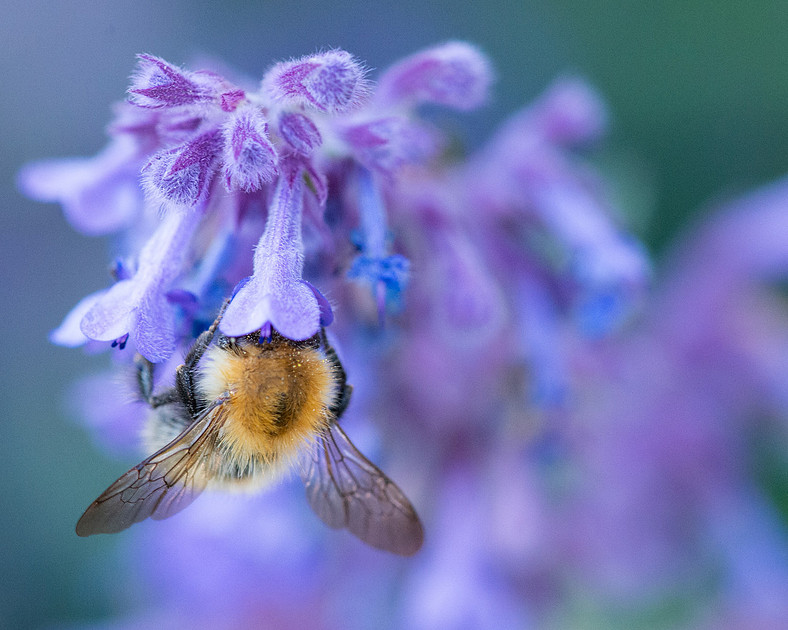
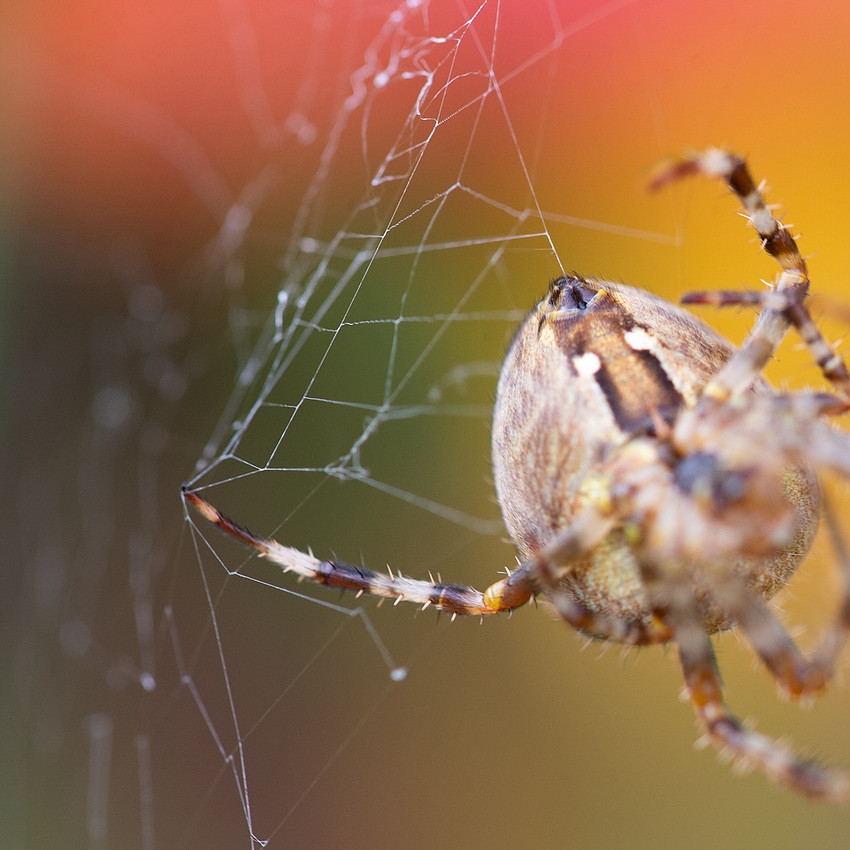
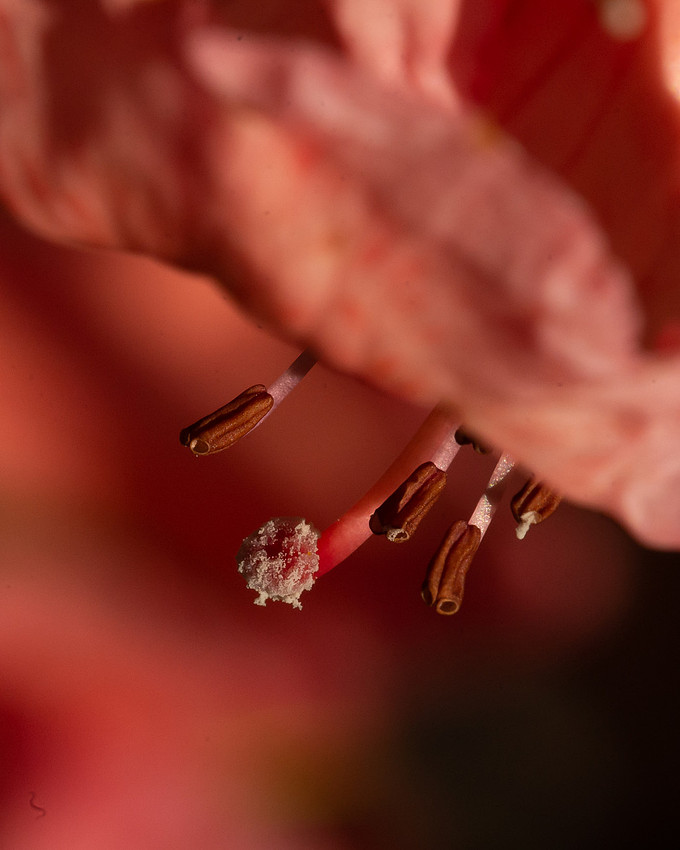
The spectacular Noctilux f/0.95 being held by my Leica M6 - not a brand that I am loyal to or snobby about, though When put into context of brand snobbery, all the mainstream manufacturers produce superb quality lenses for the whole range of their cameras. Legendary lens manufacturers such as Leitz/Leica, Carl Zeiss and Voigtländer make lenses that can be used with the major camera brands as well as some of the lesser-known ones. A friend of mine shoots a Panasonic G camera and encounters brand snobbery from time to time. What the people who judge her camera system often miss is that the lens she uses for her spectacular wildlife photographs is made by Leica. It certainly raises some eyebrows, including mine. What really matters then, is to have a camera that is comfortable and easy to control, with the best quality lenses that you can afford. Beyond that, it comes down to the skill of the photographer. As another friend pointed out so someone in the same debate, “Do you like my photographs? Why does it matter what gear I’m using?” Just pick a brand, grab a camera and get shooting. If you need help getting to know what you’ve bought, you know where to find me… …buying more cameras and avoiding any questions, most likely. For details of tailored tuition for beginners, please drop me a line at [email protected]. Life on a Small ScaleA few years ago, we had our neglected back garden landscaped. The word ‘landscaped’ doesn’t really do the project justice, as the whole space was reduced to dirt so that we could start again. When it came to the new design, we opted for the usual things like borders, lawn, a pond, summerhouse etc., but we also had some ideas about how to make our garden more attractive to wildlife. People that know me well are aware of my efforts to help hedgehogs (we have at least half a dozen regular visitors throughout the year), but in addition, I have been concerned for a long time about our insect population, in particular the pollinators. We decided to plant a wildflower area in the garden to attract these little creatures that are so important to our own ecosystem and our own survival. Now we have a thriving habitat, which feels like a positive contribution. Around the same time the garden was being done, I bought a lens on the spur of the moment, which I instantly regretted. That old sinking feeling of ‘buyer’s remorse’ hit me as I wondered just when I was ever going to use it. The lens in question was a macro lens, which is commonly used to photograph very small things. Often mixed up with the term ‘close-up photography’, macro is actually the achievement of 1:1 magnification or greater, meaning that the image of the subject on the sensor is life-size or bigger. Whichever way we like to describe it, macro photography results in very small subjects being captured in phenomenal detail, which has led it to becoming a genre in its own right. My concern with my purchase was that I hadn’t really ever shot any macro photography, so was concerned that I’d wasted a lot of money on something too niche. However, as it turns out that couldn’t have been further from the truth. The lens is one of my favourites and I need little excuse to fit it to the camera and go shooting. The reason? In terms of nature, it reveals a whole other world that we cannot normally see with the naked eye. As a result, the intricate structures of plants and the insects that live on them is lost to us as we deal with much bigger things. Macro gives us an appreciation of how beautiful and resourceful nature is, even if some of the creatures concerned can be a little scary close up. I’ve included a few examples below:
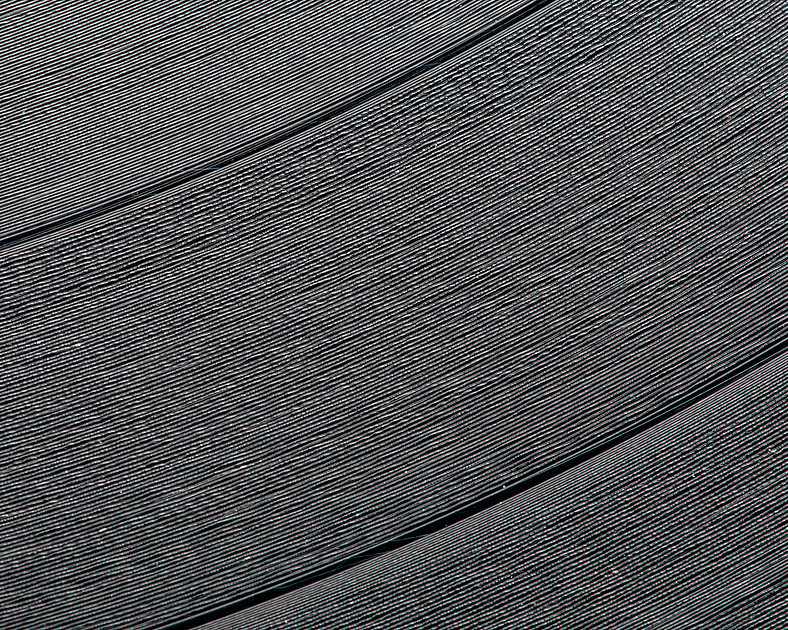
Compared with other genres of photography, it’s quite tricky. The lenses generally have a wide range of apertures, but the depth of field is so shallow even at the smallest, that the slightest movement of the camera or the subject causes the point of focus to move – you might think you’re locked on to that insect’s compound eye but in fact it’s now frustratingly out of focus. It’s worth persevering with though, because the results that you get can be very rewarding. If the subject is a manmade surface or object (that doesn’t fly away when disturbed), the problems diminish somewhat, because you can take time over the shot. For example, this shot of the surface of a vinyl record below reveals the groove in minute detail largely because of the control I had over the camera and subject.
If you’re interested in learning more about macro photography, it features in my session on lens selection in the tuition programme. Drop me a line at [email protected] for more details.
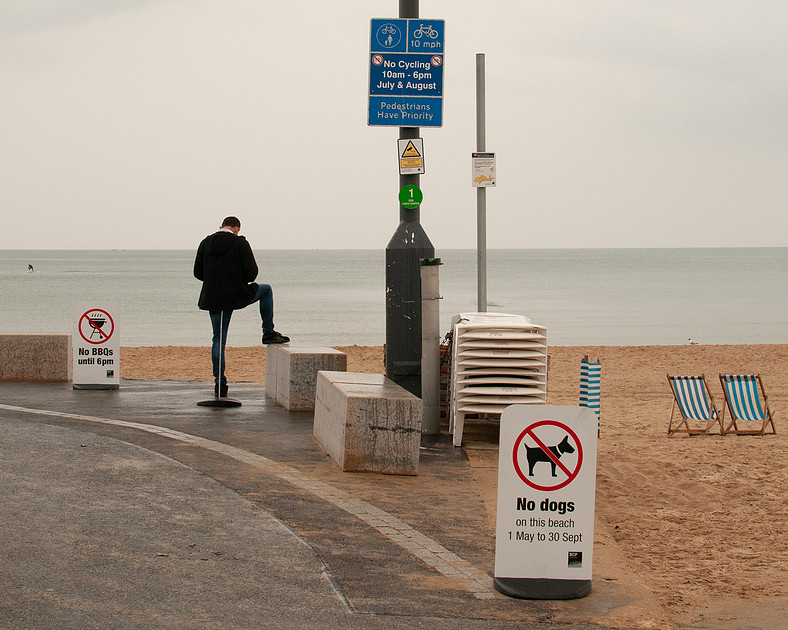
Can you spare 5 mins?I don’t know about you, but I am tired. It seems that everything around us moves at such a pace that I often feel it’s a struggle to keep up. This was brought into focus for me recently, when I received some feedback about my blog. It wasn’t the first time I’d received it and, like all feedback should be, it was valuable. The feedbacker (made-up word) said that the blog was an enjoyable read, something else that I’m happy to say has been said to me more than one. However, they raised the question “Do you think the posts might be a little long?” My initial reaction was to quietly roll my eyes like a petulant teenager and say to myself “Really?” After all, the social media platforms that I post the blog links to calculate the estimated reading time for a post and the blogs are rarely over 5 minutes. It got me thinking about whether we really have reached a situation where we can’t spare 5 minutes to read something, even if we don’t end up engaging with the subject. If that’s the case, why are we in such a hurry? In attempting to answer this question, I started to think about my own use of time, the amount spent looking at my phone. Like many people who grew up without the mobile technology, I still find a certain amount of novelty in the power of these devices and generally embrace new apps when someone suggests one. When I looked at the number of apps on my phone, I was surprised to see how many of them were set up to ‘push’ information to me instead of my having to go look for it. I am literally bombarded by information all day, a consequence of which is that I spend a great deal of time glancing at the phone screen in short bursts. It isn’t really a surprise then, that the amount of attention that each piece of information gets is minimal. Try thinking about that next time you are using your phone and you will understand what I mean. “What has this got to do with blogs or photography?”, I hear you ask. Well, I’ve found in recent months that aspects of everyday life that we take for granted, either through cultural evolution or apathy, inspire me to make photographic series about them. For this year’s module on the degree course, I have to create a piece of work in a structured fashion, refining it as the idea develops. Communication, its evolution through technology and the affect it has on our perception of the real world, is the central theme for my series. We rush from one source of information to another without being aware of it, which leaves us frequently oblivious to the 'real' world around us. The many questions that relate to my original thoughts about ‘5 minutes to read a blog post’ could take my series in a variety of directions about isolation, social etiquette, mental stress, relationships etc, which I’m looking forward to exploring. I’ve already started to experiment with the way we are directed and controlled by signs and how we both include and reject their messages from our lives.
Interested in taking up photography? Drop me a line for details about beginners’ tutition at [email protected].
|