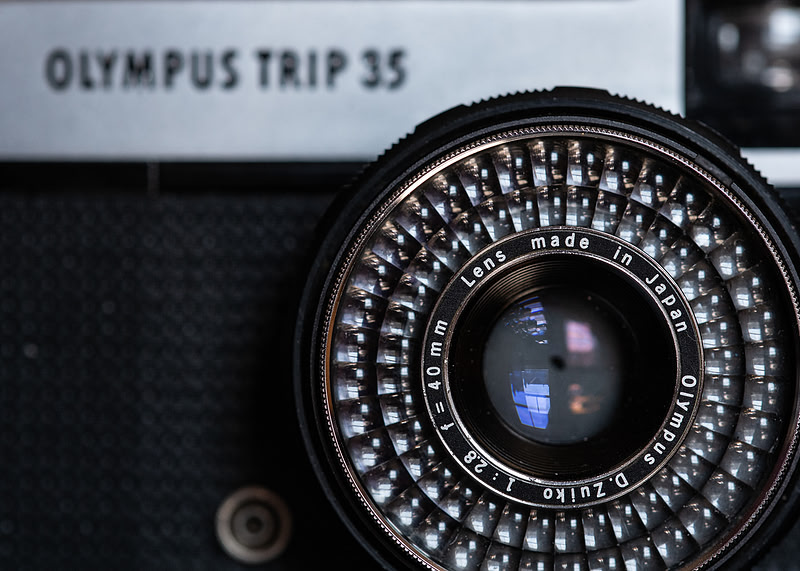
“Just write every day of your life. Read intensely. Then see what happens..."Ray Bradbury on writing Ok, so there won't be a post everyday, but this is where I'll be sharing short stories about my adventures as an artist and student. Check back here for the latest updates by clicking the subscribe button below. Iconic Fatigue Syndrome“We did the exact same things when we were young”, I said. I’m sitting in a café with a friend of mine who I have known for over 30 years. Our conversation started with some observations about how the cheap cars of our youth, in particular our first cars, had become really expensive in recent years. A combination of nostalgia and the dwindling numbers of examples due to rust or accident damage, had meant that a late 1970s Ford Fiesta or Escort (our cars) are now fetching thousands of pounds, even in poor condition. While we both enjoy our own nostalgia, he with computer technology and I with vintage cameras, we quickly got around to talking about how dangerous those old cars would be in the hands of young people today. With virtually no safety equipment, a crash didn’t need to be all that serious to cause major injury or death. The kids today, a phrase that I’d never thought I’d use, didn’t know how to drive safely according to us oldies. Every night, they race around our little town as though they were in the Fast & Furious franchise and, in the case of a few recent incidents, have caused some serious accidents. The thing is, we were young and very stupid once, having driven those old cars as if we were immortal. Now, in our 50s, we see the world very differently. I’ve known for a while now that I’ve gone from a largely grumpy man to a grumpy old man with, despite my best efforts, more in common with Victor Meldrew than I would like. With increased mileage on the clock, my perceptions of things that used to be familiar have also changed. With the driving, I used to drive way too fast in cars that weren’t designed to cope with it, and I remember the thrill of doing so. Now I drive a campervan, which does go a lot faster, but I naturally lack the inclination to reclaim my youth. A few days after the meeting of Malvern’s very own Statler and Waldorf, I was reading an article about cinema releases of the year so far. It expressed a view on the best and worst films of the year, which I generally find interesting because of the rationale that such articles use in creating their lists. In this piece I was more concerned about the repeated use of the word ‘iconic’. This director is iconic, that actor is iconic, or the film is an icon of the genre…etc…etc. The icons in question were related to a superhero franchise (no names), and I found myself both disagreeing with the use of the word but also considering why it was so prominant in what was only a few paragraphs. To someone of my generation, the fantasy-action genre of filmmaking goes back decades and includes some of the earliest ‘big screen’ representations of superheroes, such as Superman (1978) and Batman (1989), and I would consider those to be iconic for their innovate use of cinematography and special effects, as well as their novelty. However, they were building on earlier television representations from the 1950s and 60s, so should those be some thought of as more iconic? Let’s consider what the word actually means. According to the Oxford Dictionary, the definition is “relating to or of the nature of an icon; regarded as a representative symbol or as worthy of veneration”. There’s that word ‘representation’ again, which I’ve discussed in previous posts. We all consider representation differently, more so as we get older, and art continually evolves because of this. In the case of photography, there are many examples of how a genre evolves with its audiences. Classical landscape photography which originally documented and captured the beauty and power of the natural world, evolved to represent more complex relationships between nature and man. These works can be considered iconic because they served to change the way we see our place in the world. However, even they are being surpassed by contemporary ideas about the space we occupy. In the case of the modern superhero movies, they have actually defined a genre of their own which is something the earlier films from my youth couldn’t lay claim to. Therefore, they are iconic to the younger generation. So, why did the overuse of the word bother me so much? Simply put, I think it’s lazy to go around assigning that label to anything that we think is special or really good. I accept that the use of the word is a personal thing, but could the author of the article really be that excited by something that it warranted the label ‘iconic’? Maybe. I guess if they had thought about the wider cultural context of their subject, what specifically made it ‘to be venerated’ etc, then it would work. This got me thinking about a camera in my collection that I consider to be truly iconic; the small but mighty Olympus Trip 35.
The Trip 35 has an excellent lens for a point-and-shoot camera If you’ve never seen one of these cameras before, have you been living off grid? This little camera was released in 1967 and was in production for a staggering 21 years, during which time over 10 million units were made. An entirely mechanical camera, it offered the photographer an extremely simple way of shooting without compromising on build quality or needing a power source. The Trip 35 is what’s known as a ‘viewfinder camera’, which means that focus is achieved by manually judging focus distance rather than using the viewing optics as in an SLR or rangefinder system. This wasn’t an uncommon method in the 1960s, but the Trip’s zone focusing system made things much more convenient than setting focus using judgement alone. A selection of ‘subject options’ could be selected ranging from single portrait (close-up) to landscape (infinity) on the lens. Metering was taken care of by a selenium cell that required no batteries to power it, and the camera would take care of everything else. These aspects, and its compact size and weight, made it a great camera but there was one thing that made it iconic from my perspective. When I first became interested in photography, the Trip 35 had been in production for 15 years, so they were probably enjoying their peak popularity. In fact, I regularly meet people today who have one in a drawer somewhere at home or were left one by a parent or grandparent. It wasn’t the first camera I remember my dad having, but it is the first one I remember not having to sit still for when a picture was being taken. I’ve never been comfortable being photographed, which is why I’ve pushed myself to shoot self-portraits for my studies. Imagine being that shy as a child and having a photographer for a father! The Trip’s true point and shoot operation was noticed by the younger me as a real winner. Unlike the cheap (and often fairly nasty) 110 cameras that I was using, the Trip was a proper 35mm camera that took proper pictures. Fast forward 41 years and I have one in my collection that I must say is the easiest and most enjoyable camera to shoot with. It’s perfect for street photography passes what I call The Wedding Guest Test. Whenever I go to a wedding, I try to take the smallest camera possible, because lugging a giant DSLR around is a pain in the arse. I could take an expensive rangefinder model, but then I’d continually worry about where I might have left it. The Trip fits the bill being compact, relatively inexpensive and easy to replace. It's also particularly good if paired with a mini flashgun. Yes, it doesn’t have any of the convenient technology of modern equivalent cameras, but it was fully automatic, thanks to that selenium light meter (that textured glass bit on the lens) and being mechanical, could be serviced of repaired easily. I’m not the only one who celebrates it either. There is a growing community of Trip 35 shooters, people who customise their camera’s appearance with brightly coloured skins, and some who even refurb broken units for resale. With some many produced, there doesn’t appear to be a shortage of spare parts available. For me, the camera invokes my earliest memories of photography, and perhaps it could be credited with starting my interest in it. It’s an interest that became a passion that continues to this day, with the little Trip 35 still playing its part. That makes it an icon to me. Perhaps we need a new word, though, for the iconic fatigued. How about an Olympus instead? Just thought.
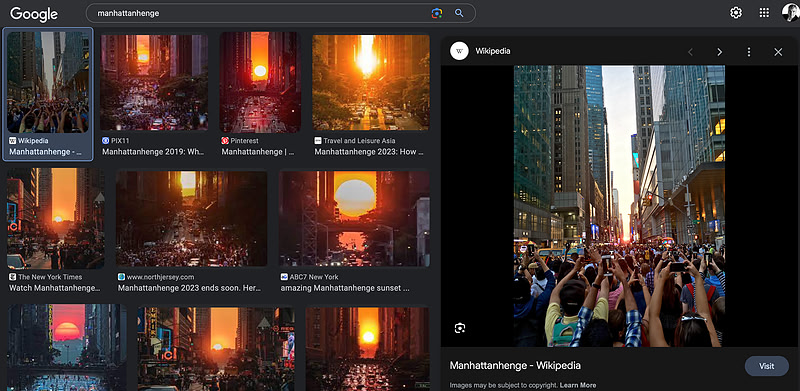
More Eggs for Your Basket“Do you do anything other than swan about, drinking coffee?” These words, or a variation of them, have drifted across many a conversation towards me these past few years. The first time I heard them, I was quite offended. I’d just left a fast-paced business that had just collided, like almost every other at that time, with the COVID19 pandemic. I’d had lots of things planned for my new life and, after some period of contemplation, was getting on with some of them. As time has passed, I find myself a lot busier and giving far less of a shit what people might think. The past few weeks in particular have seen personal projects, university coursework, photo shoots and getting back to my swim training after Ullswater. There have been times when I’ve just needed to detune, and I was having one of these moments when I thought about this blog post. In a session of what my wife calls “lying in bed, looking at cat videos on Instagram”, I saw a post in my feed that got me thinking about individuality and personal voice. I mainly follow photographers, artists and people that I find amusing, so I wasn’t surprised when this particular reel appeared. It was one of those Instagram vs. Reality comparisons where an aesthetically beautiful scene is shown as it would be seen on Instagram, followed by the harsh reality of trying to capture the scene. The latter is usually blighted by bad weather, something that obscures the vista, something that reveals that it’s a fake shot, and lots of people trying to take the same picture. The subject? Manhattanhenge. For those who are not familiar with this portmanteau, it’s a phenomenon where the setting sun is perfectly aligned with a number of streets in Manhattan, appearing as if framed by the towering buildings; a Stonehenge in Manhattan, if you will. It’s a rare occurrence, happening only a couple of times a year, and that in itself is enough to cause lots of excitement with tourists in the city. Quite naturally, many people who see it wish to photograph it for posterity or their socials. The reel contrasted the perfect view of the ‘henge’ with the jostling crowd of people holding their phones up to photograph it. I’ve talked about the genre of landscape, the ideas of picturesque, beautiful and the sublime that are codes within it, in a previous post. These shots clearly tend to the picturesque, with their meanings closely associated with memory of travel and the need to inform the viewer about something they should consider seeing for themselves. Picturesque images tend to be very similar and, indeed if you do a quick Google Images search on Manhattanhenge, you get a sense of that.
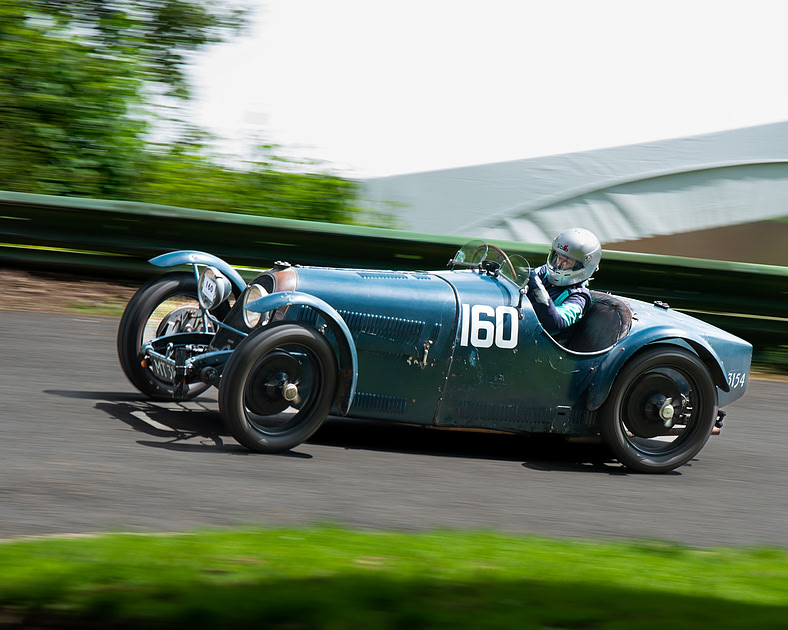
Manhattanhenge (source: Google Images search) There is absolutely nothing wrong with doing this, of course, but I asked myself why everyone would want to take the same photograph, rather than look for another way to represent how they feel when they look at it. I’m not going to dwell on that here, because I’m no psychologist, but I do acknowledge the dangers of settling into one way of seeing and working, so I do empathise to a point. As with any learning experience, we gain some confidence in an aspect of the skill and practice until we feel as though we’ve ‘nailed it’. While we are doing so, we might close ourselves off from other related ideas, perhaps committing to go back and look at it later. In photography, this singlemindedness can be seen all around, from the Manhattanhenge images that require careful balancing of exposure and contrast, white balance etc, to the angle of elevation in the ubiquitous selfie that takes the pounds off. We start to build rules into our workflow that kick in when we think about a landscape or portrait photograph. When they are collected together, that sense of déjà vu about the images is very real. I’m as guilty as the next photographer of doing this, I might add. I like 85mm focal length for portraits, 35 or 50mm for street work, natural light over flash, prefer a 4x5 aspect ratio for pretty much everything because that’s what my large format cameras shoot etc..etc.. What I tell myself when I realise that I’m stuck in my lane, is based on some advice I was given when I first started out. “Avoid assembling images that are either visually similar or contain symbolic or iconic context that say the signify the same thing”. This means that if there is something in the first picture that describes something about the subject, setting or event, try to avoid something similar doing the same in the next frame. I encountered an example of this a few weeks ago, when I was shooting a vintage car event near me. The Prescott Hill Climb sees cars racing against the clock from the bottom of a hillside track to, well, the top. My friends were racing their 1930s MGs (see previous post) and I was keen to make some pictures of them doing something that for me, is an unusual hobby. There is a technique in sports photography that lends itself perfectly to capturing movement in a fast-moving subject, known as ‘panning’. The photographer tracks the subject as it moves past, keeping the point of focus ‘locked’ on the interesting part of it, and shooting a relatively slow shutter speed. If the rate of the camera panning and the subject are matched, the part that is in focus appears be stationary, so the shutter speed is fast enough to make it sharp. However, the background is moving too quickly, so appears blurred.
Panning example from the Hill Climb, R Fletcher (2023) Here’s the thing, it’s quite tricky to get right. The latest digital cameras utilise state-of-the-art focus tracking which naturally helps, but an older camera like any of my collection requires manual timing, judgement on focus and depth of field, and lots of luck. I found myself wanting some panning shots of my friends driving and, before I knew what had happened, that was the only thing I was shooting either as a practice to get the settings right, or capturing the fleeting moment where they flew past me. I’d momentarily shut out any other thoughts about context, perspectives or mixing genres that might help support the narrative of the series, and if I hadn’t realised, I would have had a collection of really boring images, even if the panning had been perfect. What does this mean? Well, for me photography is a medium with a wealth of creative possibilities and a vast range of ways of representing a subject however we want it to. There’s no doubt some truth to the adage about there being ‘no new ideas left’, but there is still the concept of individuality, which is an entirely different thing. To be individual is to take all that we’ve learned and make our own decisions on how to proceed, being inspired but not directed by others of part of some herd mentality. If we ask ourselves why we are making an image, what it means to us, what it might convey to the audience or how it might make them feel etc, we are forming an individual ‘voice’ that visually expresses an opinion, rather than simply going with the flow. In the case of the ‘henge’, there may only be a few minutes before the effect is gone, so why not go crazy and try as many different ideas as possible in the time? There may not be the next lauded artwork in that collection, but there may be something that grabs the attention of the viewer more than the traditional picturesque. If creative ideas are the eggs, better to have multiple baskets rather than just the one.
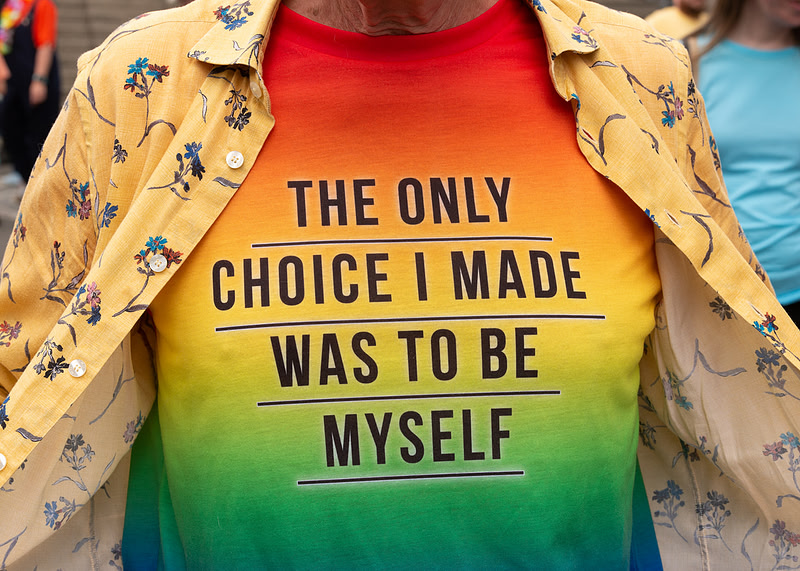
Just Because You Can, Doesn't Mean You ShouldA few years ago, I received an official-looking letter in the post that accused me of committing a truly heinous crime, for which I should be very ashamed. In amongst the formal language, that looked like it came straight from a policeman’s notebook, was the invitation to view a video of said crime. After the usual mental security checks to make sure I wasn’t being had, I went to the website to have a look. The video was of a busy road junction in what looked like a city centre, with traffic lights, lots of pedestrians, dogs etc. In the top corner was a clock that documented when my crime took place. This tedious piece of footage progressed for several seconds before the camera dramatically panned to the left and slowly zoomed in on something. Wait, is that my car? The zooming continued until all I could see was a front wheel and a number plate, which was indeed mine. Then the crime itself. More predictable than a Marvel film, and probably about as interesting, the plot of this film was pretty clear, and what had happened was that my car had crept about 6 inches over the edge of a box junction. The letter informed me that the local authority was fining me for this transgression. After much questioning of the authority’s parentage, I paid the fine and forgot about it. Until this past weekend, that is. I was on assignment, shooting Malvern Pride, which was the second time I’d been part of this wonderful and important event. This year would be a different experience for me, however, as a direct result of the unit that I’m currently studying for my degree. I’ve mentioned ethics, representation, and consent in previous blog posts, and how a photographer’s approach to them is a personal decision, based on their own values. In the case of this shoot, ethical considerations had been on my mind for several weeks. I had questioned whether I, as a heterosexual man, should be documenting the event in the first place, even if it was for the organisers. They were primarily interested in capturing the party spirit and the celebration of the LGBTQ+ community embodied in Pride, which is a big part of but not the whole story. If I wanted the images to be as much about the continuing struggles that the community has to be accepted and respected as people in what seems to be an ever-uncaring political landscape, could an external observer ever do justice to that representation? I had an idea to use the shots from the day to form part of a wider social documentary project, so this question was an important one to answer. I eventually squared it away in my mind by considering Cornell Capa’s concept of the Concerned Photographer, formulated in the 1950s. Capa was a respected photographer with Life Magazine for over a decade, who was also part of the renowned Magnum Photos agency. He chose social and political issues that were important to him and created powerful photo-essays that didn’t merely document a situation, but instead advocated attention to them by educating his audience. I wasn’t thinking of Pride specifically in these terms, as I am no Capa, but I eventually determined that I would be as good as any other photographer that I know at telling the stories of the people attending. That left the consideration of consent, which is itself the purpose of this post. I’m still learning about this subject, do don’t profess to be an expert. These are my thoughts on what I experienced regarding consent on the day, and the behaviours I believed were needed in addressing it. One way of approaching consent in the commercial photography world is to use a consent form, that photographer and model agree to and sign. These forms lay out the photographer’s intentions for using the work, where it will be published, the rights the model has over the images etc. In simple terms, the parties agree and that forms the basis for a legal position that covers the work. In the case of an event like Pride, a form isn’t at all practical, because of the number of people present and the potential style of the photography. It wouldn’t be limited to traditional portraiture, where the form works well, but include ‘street-style’ shots where the subjects were unaware of being photographed. Event photography consent is usually done in the inverse, where instead of seeking individual consent, everyone is made aware that photographs are being made, and that they must seek exemption to avoid being photographed. That works well in most cases, but Pride added another ethical consideration when thinking about consent. The event was being held in public place, rather than a private venue. In fact, the idea of a truly public space is a little bogus as most of the land in the UK is owned by someone. In the case of Priory Park, there weren’t any overarching photography restrictions in place, so it could be treated as public. The law in the UK (and in the US) currently states that a photographer can make images of other people in a public place without needing their consent. There are campaigns to add restrictions, to cover children, or other subjects that could be treated as in the national interest, and therefore vulnerable to acts of terror etc, but thusfar they aren’t in place. If someone asked me not to photograph them, I wouldn’t have to agree because I’m covered by law. If you think about it, that’s a pretty extreme defence as surely intention comes into play at some point. However, there are cases, such as the US lawsuit brought against Philip-lorca diCorcia following the publication of his Heads (2001) series that highlight the conflict between law and ethics when it comes to a person’s privacy. In that particular case, the law actually sided with artistic expression over violation of religious beliefs, but it still revolved around the plaintiff’s case that he did not give consent because of his beliefs. We think that we should have privacy rights, particularly when a camera is involved, whether we are in a private or public space, but that isn’t the case. When I was filmed entering the box junction, I hadn’t given the local authority my permission to point their camera at me. In fact, who among us has consented to being filmed by CCTV walking down the street? The belief in the right to privacy is a powerful one, and I am certainly not offering an opinion on it here. However, a belief isn’t the same as a legal responsibility. I encountered this recently when someone started aggressively lectured me on photographic consent in a similar situation to the upcoming Pride shoot. Her passion was admirable, but that was about it. This is, of course, where a photographers personal ethics comes in to play and in that case, I just kept quiet and let her rant. How I view privacy is driven by my both my personal ethical standards and my respect for the idea of it. I know how I would react to the intrusion of being photographed, so tend to treat people in the same way when it’s the other way around. That approach works with most of my work, and when it doesn’t, say in a street scene where there is no dialogue between me and my subject, I consider the ideas of representation and ‘doing no harm’. If I photograph someone, am I treating them respectfully in the context of the picture or the series? Will my publishing the image do them harm? Early in in the Pride shoot, a lady approached me with her child and asked me not to shoot them. My instant response was to completely agree, try to put her at ease by assuring her that I would avoid where I could, but if they appeared in the background of a published image and I’d missed that in the edit, she should contact me (I gave her my card) and I would quickly remove it. This chat took less than a minute and she opened up about her reasons, which I totally understood. She went away trusting me to ‘do the right thing’. Another example resulted in the photograph below. I was drawn to this gentlemen’s shirt and went over to chat to him. We talked about how he felt how the event was going, the continued importance of Pride in the current climate, and the feeling of freedom that he felt as a gay man attending an event with others he could relate to. “People like me”, is how he put it. At the end of our conversation, I asked him for a portrait, something I was doing with anyone I got talking to. He did that ‘polite grimace face’ that instantly told me he wasn’t comfortable, which was followed by a respectful decline. I said that it was no problem and was about to reassure him that I wouldn’t include him in any other pictures etc, when he said “you said you loved my shirt, how about photographing just that?” I duly did so, showed him the image on the back of the camera, shook his hand and that was that.
Untitled, from Malvern Pride 2023, by Richard Fletcher None of this is rocket science, it’s just exploring consent with the subject in a polite and respectful manner. That’s not to say that it ‘made me happy’, as I would have much preferred an actual portrait of him. It’s not pandering to a subject either, as documentary photographers generally can’t afford to lean entirely towards their wishes. If, for example, the subject belonged to an extreme political group or held controversial social beliefs, the photographer has a responsibility to represent the subject as honestly as possible, perhaps putting aside their own personal views. What’s important is to establish an open dialogue about intent, consider any harm to the subject, that they might not be inviting themselves in some way, and then be prepared for further discussion about the outcome. In this case, I could have sneakily grabbed a shot of the man without him knowing, but that image might have caused him difficulties elsewhere that I might not be aware of. I read the situation through talking, and more importantly listening, and elected to talk to him instead in the same way as I dealt with the concerned parent. In conclusion, Pride was a huge success, and I believe my photographs represented the vibe on the day. I shot other images that I want to use for the documentary study, which will include other material sourced from the media and through interviews with members of the LGBTQ+ community, but more of that another time. The key learning from this experience though, was that ethical behaviour that drives dialogue between the photographer and subject, helps give the former a much broader understanding of the ‘story’ that they may have felt that they knew. My understanding of Pride is largely built on what my gay friends have told me, but I cannot ever truly empathise for the obvious reason. Working with my subjects helps me reconsider what I think I know, and incorporate new information from their personal experiences. I also learned that if we are behaving ethically, consent is a continual process where a subject might later reconsider how they feel about their representation in a body of work. Depending on the understanding or formal agreements in place, there may be a conversation long after publication, where they no longer consent. In the case of the street-style Pride images, someone might see themselves and decide that they no longer consent. In a world where people film everything from their food to a road rage altercation and post it social media, perhaps a pause for thought about “Should I?” instead of “Can I?” would improve our society in many ways. I’d like to think that it might.
You can see my Malvern Pride photographs at this address: https://www.richperspective.co.uk/p865073501 For more on Nussenzweig v. diCorcia, check out this article: https://museemagazine.com/features/2019/9/23/impact-philip-lorca-dicorcia-head-on For more on ethics, take a look at the excellent Photography Ethics Centre here: https://www.photoethics.org
Ulls Well That Ends Well“I’ve completely forgotten”, came the reply in a panicky voice. It’s 9am and my new soul mate and I are on a bus, heading through the winding roads of the Lake District on our way to the start line. I’ve known this woman for about 10 minutes or so, during which time we’ve shared thoughts of how we’d trained, how we felt and “what the hell was all this rain doing here in July?”. We had clearly prepared in different ways. I had trained hard for 12 months, where she hadn’t been able to commit much time. I had prepared my race fuelling based on what was provided by the race organisers, while she had secreted several energy gels in her wetsuit, something that I thought was a high-risk strategy, given the tightness of the fit. What had prompted her panic was something really simple; she had forgotten to stick her number label on her tow float. I, and my fellow swimmers, tried to reassure her that the number was just for there for identification when we finish, and that a kindly person at the start line could probably lend her a Sharpie to write it on if necessary. I sympathised with her, because I had also recently had my own organisational brain fog a couple of days before getting on the bus. I had just completed my last training swim the night before I was due to leave for the Lake District and, as it turned out, lost my goggles in the process of packing up my gear. Now, I’ve generally found that people who do endurance events like this one are a cautious and superstitious bunch, for good reason. For example, runners won’t replace their shoes just before a race for fear of the fit being slightly different, resulting in issues during the race. Those issues could be real, or they could be a cause of worry that might psychologically affect their performance. Knowing this, I wouldn’t have replaced my goggles, even if they were completely knackered. However, I found myself having to do just that. I had a brief test in the pool just before we left, to check that they wouldn’t leak, but the whole experience was an unwelcome stress. In case you are wondering what on Earth I’m prattling on about, I’ll tell you. Last weekend, I completed the Ullswater 7.5 mile swim, which runs from one end of the grand lake to the other. In context, that’s 480 lengths of a standard 25 metre swimming pool, which is what makes it an ‘endurance’ swim that relatively few people would consider doing. While the experience of that event doesn’t relate directly to photography, I’ve learned some things about how my mind works, which may be recognisable to a challenge being faced by readers of this blog. Fear not, it’s isn’t some trite piece of ‘self-help’ bullshit aimed at changing your life, or an Instagram life hack that anyone over the age of 20 has known for several years. It’s just my reflections on what happened to my mind while I undertook this challenge. Make of it what you will. The swim was organised such that we had to be taken to the start so that we would be swimming back to Race HQ, hence the bus, which I found to crank up the anticipation before even dipping a toe in the water. The weather was shockingly bad, with the whole area being battered by heavy rain and high winds for 48 hours before the planned start. The organisers had sent emails about their contingency plans which would kick in if the forecasted thunderstorms manifested on the day, which almost everyone I talked to on the bus thought was a really bad thing. We’d all signed up to swim the length of the lake, so the idea of changing the route to smaller looks of a presumably sheltered area, didn’t really appeal to any of us as it would feel a lot like our training swims in smaller lakes. Thankfully, when we arrived at the start, we were told that the route would remain point-to-point. The first thing to note about the format was that once in the water, it was impossible for any supporters to ‘follow’ the swimmers. Supporters could be at the start or the finish, but the long bit in the middle would be a very lonely experience. I entered the water supremely confident because, unlike my friend on the bus, I had fully prepared for the distance over nearly a year in training. The first mile was all smiles, although when I reached the first feed station, my fellow swimmers confirmed my suspicion that we’d swam closer to a mile and a half, according to our GPS watches. Never mind, I thought. I knew I had the physical condition to cope and, being a silly sod, I asked the feed station volunteers for a ‘large Scotch, no ice’ when offered a cup of energy drink and some jelly babies. The mood was certainly light at this point. The next mile was straightforward enough too, but at this point my body decided to let me down. Both calf muscles started to cramp, which is something I always have to manage on long swims and am not entirely certain of the cause. Two miles in wasn’t great news, though, as I had a long way to go from here. Again, I had prepared for ‘cramp management’, so I pressed on. It was mile 4 when things started to affect me psychologically. The weather was now so bad that the temperature had dropped considerably and was matched by waves tall enough to surf on. Waves on a lake surrounded by mountains? It was a reminder of how powerful nature is. They were in the same direction of travel as us, but anyone who believes that this helps push you along, is an idiot. Timing your strokes to coincide with any push from the waves is a tricky thing to do and, it was frequently counter-productive. I was now working twice as hard as I should have been to achieve a slower pace than in training. My mind started to wander, and not in a good way. I became angry at the organisers for proceeding with the event, when I know of some triathlon companies who would have cancelled it. I started to question whether I’d done enough work in training, despite my experienced athlete friends telling me that I had. My calf muscles had invited my hamstrings to the pain party, which now meant that I had more stretching and relaxation exercises to do, all while being thrown around by the waves. On a couple of occasions, I was informed by the safety crew that I was drifting off course, which would need correcting. In the end, I drifted nearly half a mile off course over the length of the swim. It’s fair to say that the stretch from 4 to 5 miles was possibly the worst physical experience of my life. My anger gave way to a total fear of failure. Could I keep going? If I couldn’t, would I quit voluntarily or be forced to by the safety crew? What would I say to my family and friends who’d been so supportive? Would I end up reflecting on quitting and realise that I could have done more? These questions whizzed around in my head with images of my loved ones, who I thought I was in danger of letting down. I kept seeing my mother, who we lost 28 years ago, but they weren’t images of her as a I want to remember her. Instead of the vibrant, strong woman who raised me, I only saw the memories of her being desperately ill, a shadow of her former self. I’ve consciously tried to suppress every day since she died, so for them to reappear now was pretty distressing. It was like I’d accessed an old hard disk from a long-lost computer and creating a random slideshow. If my goggles hadn’t been so tightly (and uncomfortably) fixed to my face, I’d have probably cried. But I didn’t. Instead, all this conscious noise became just that…noise. I really don’t remember the actual swimming during that mile, but my arms just kept turning over. When I reached the 5-mile marker, the feed station wasn’t there as we’d been told at the briefing. It had moored at 5.5 miles, presumably because the water was so rough. I swore (a lot) as I considered the irony of that, but pressed on. The final feed station was supposed to be at 6 miles, and I figured that it had also moved, but I was wrong. It was missing entirely. Instead of the previous stream of consciousness and rage that I’d encountered way back at half-distance, I just kept turning the arms over. At 6 miles, I could see the huge inflatable duck (yes, a duck!) that marked the finish line. I still had to swim a mile and half to get to the big quacker, but again for some reason my mind was switched off and my body was just doing what I’d trained it to do. At the finish, I was helped to my feet as my legs had decided that enough was enough. I got my medal and was reunited with my wife and our friends who were supporting, which was wonderful but undramatic. It wasn’t until much later that the elation at completing the swim, under those awful conditions, started to outweigh the horror of actually doing it. I’ve been riding that euphoria ever since.
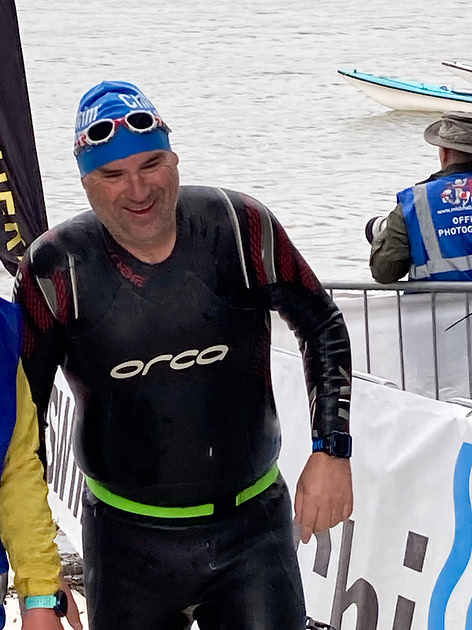
In pain, but happy at the finish
Beginning to sink in
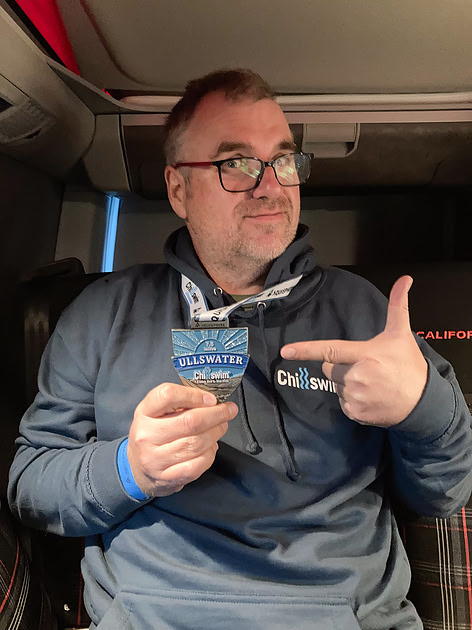
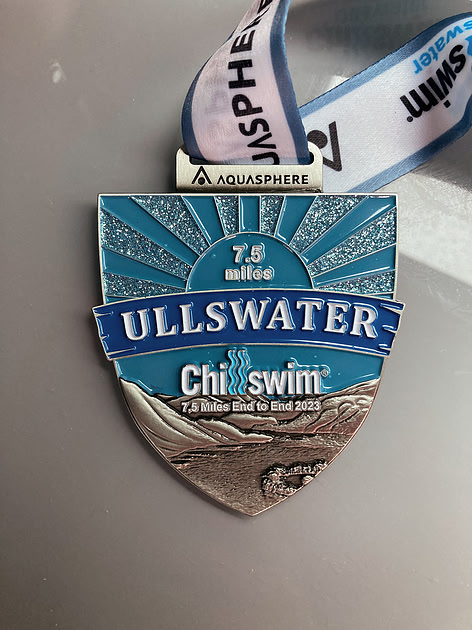
The medal, which will remind me of how hard it was What does all this mean? I’m not really sure. What I do know is that I have a lot of internal voices that start chattering when I perceive that I am ‘in danger’, not of something that will cause me actual harm, but more about potential embarrassment or failure. When I tried to ignore them on the swim, my mind seemed to react by reminding me of hard times in a way so vivid as to overwhelm the immediate fear. For example, I was never likely to drown because there were so many people around me in safety boats and kayaks. Nevertheless, I still saw the recent news article about the fireman who was lost attempting the channel swim, as if a subconscious comparison was being drawn. What surprised me was that after a while, the nagging internal dialogue stopped altogether and I was left with the simplicity of just swimming. I’ve no idea how, but I became more rational when my brain shut up and let me get on with the job in hand. Yes, there were some very dark moments, but talking to other endurance sports competitors, this is actually very common. None of them can explain how they keep going, but they just do. It’s only at the end that they reflect and somehow appreciate coming through them. By the time the mind can start asking questions about the lunacy of taking on such a feat, it’s done and dusted. I went from wanting to cut my wetsuit into tiny pieces in the immediate aftermath, to wanting to sign up for the longer Windermere swim next year, all in the space of about 24 hours. Now that I’m home, I don’t feel like some superhuman (that would be silly), but I do recognise how healthy it is to push myself, not just physically, but mentally as a way of building a better understanding of what really motivates you. I said this wasn’t ‘self help’ and I stick by that. It isn’t going to make me some epic creative, but it has had the effect of shifting my perspective a little. Perhaps that fear of failure and embarrassment does hold me back creative, so anything that confronts it head on could be helpful. I wonder if there might be more of these little shifts, the more I push myself with the swimming. Also, perhaps if we shut ourselves up from time to time, we can actually gain some peace from the chaotic world around us, where we continuously analyse and compare ourselves to others. Who knows? What I do know is that I want to find out, and for now, I believe the answer is at the bottom of this hard-earned glass of champagne. Cheers!
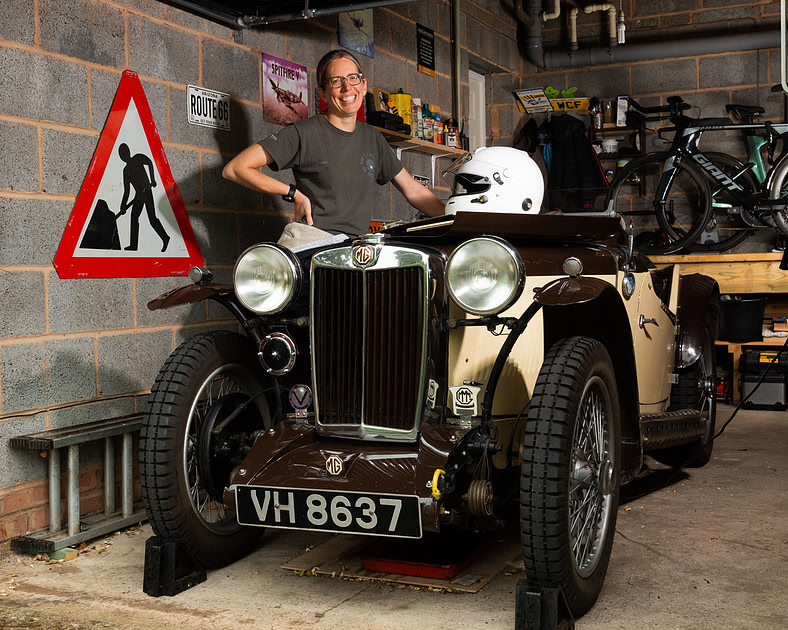
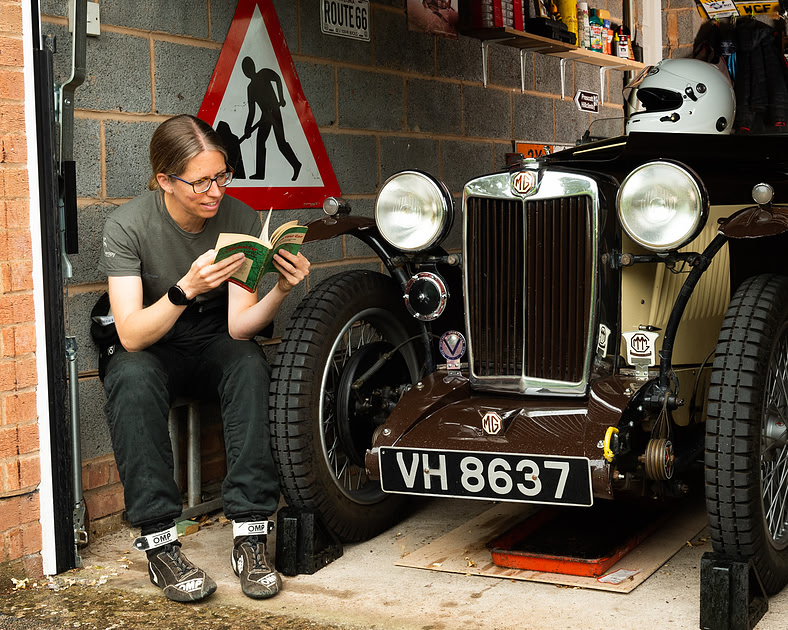
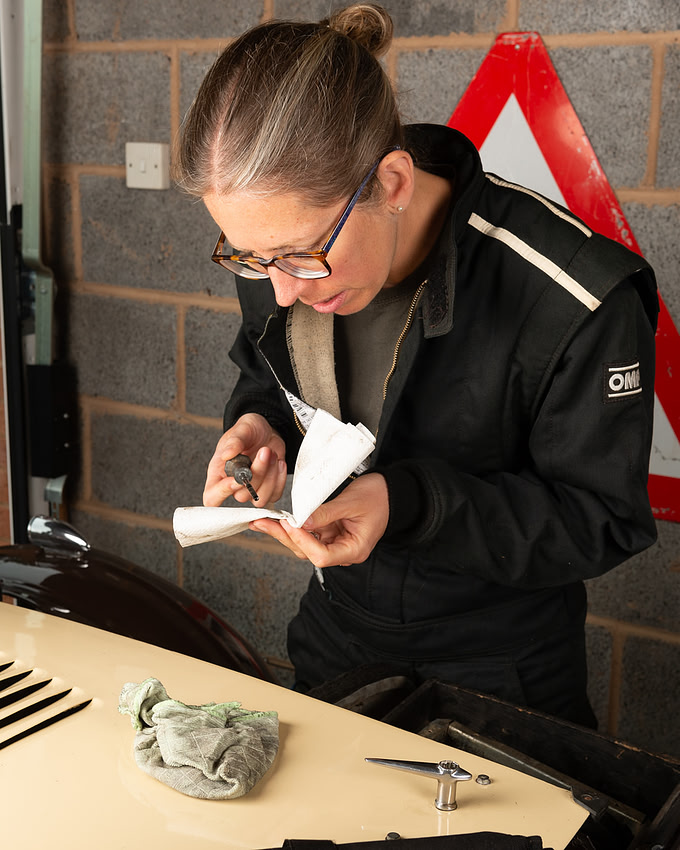
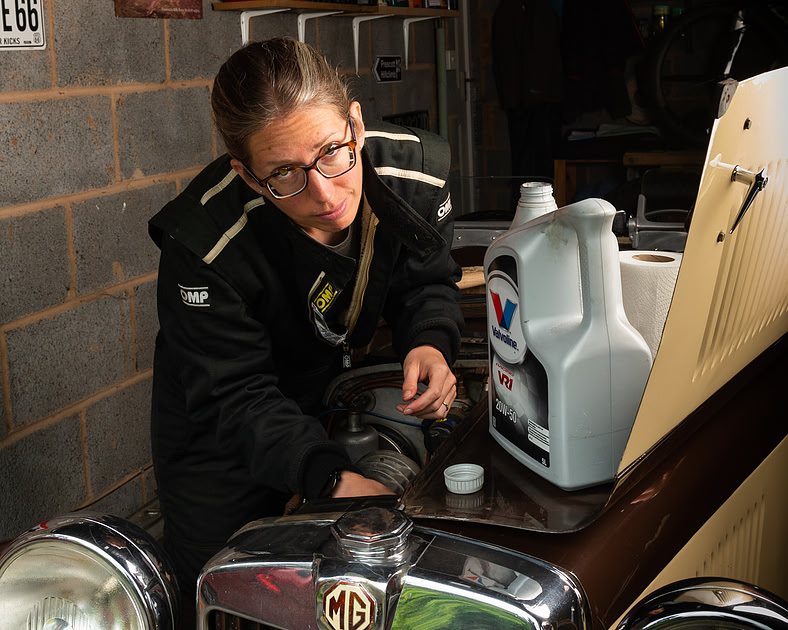
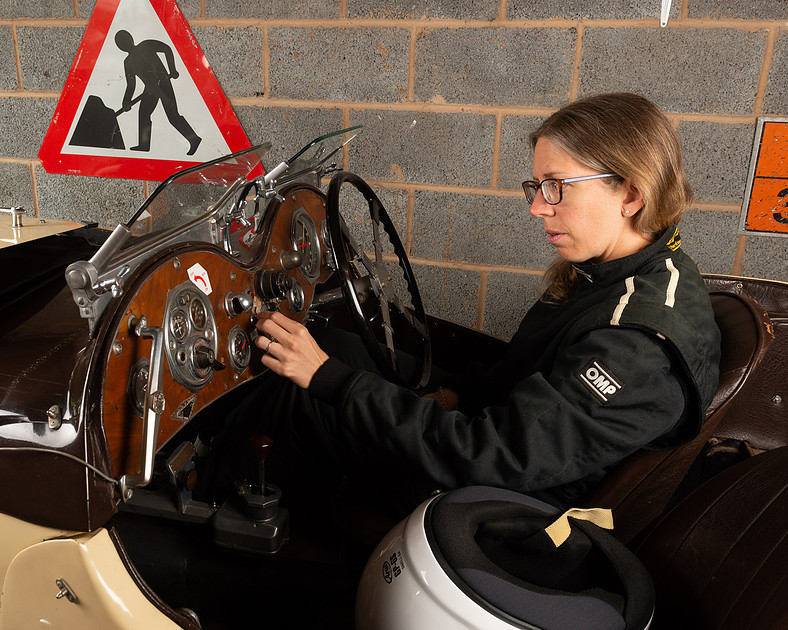
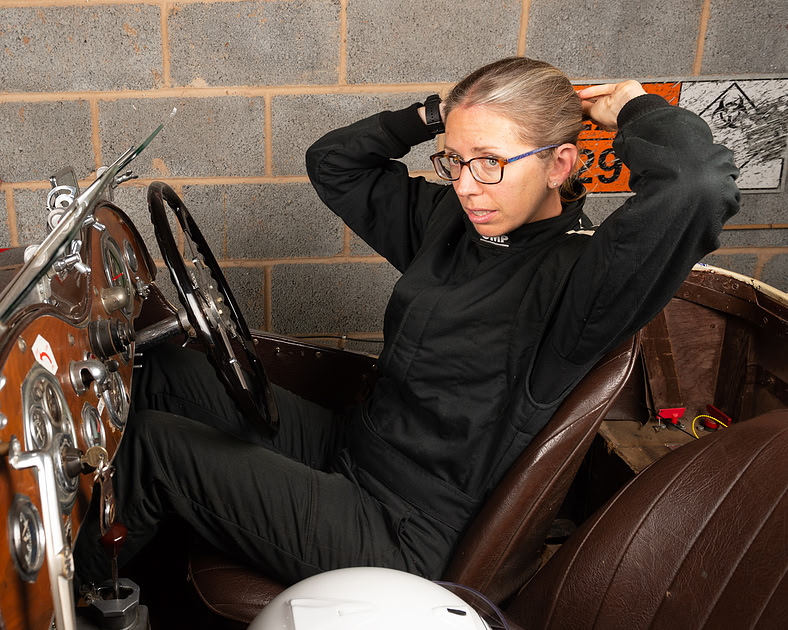
Not Saying Cheese: When Collaborating Makes it Better“Well, I’m appalled at that”, I said as I sipped my mug of decaf. In the months since giving up all forms of caffeine, I’ve learned to recognise how tame that statement appears. I’ve always been a hot-headed guy, but my substantial daily coffee intake previously made my fuse short and my blood pressure high at the slightest little thing. On this particular day, I had been triggered by some research that I’d been doing, following a conversation with a lovely friend of mine called Sarah. We had been talking about motorsport, as she and her husband Colin race vintage cars as a hobby. More specifically, we were talking about women in motorsport and how they were treated by a culture largely dominated by men. Sarah was bemoaning the fact that most depictions of women in motorsport were either draped, half-naked over a car or motorcycle, or austerely standing next to their man who had just raced his car with some degree of success or adulation. It wasn’t that I was sceptical, more that I wanted to see the proof for myself and, sure enough, it’s absolutely true. Society knows that there are plenty of incredibly talented, successful women racing drivers in the world, so why does it feel like we are stuck in the 1970s? How do these depictions of women affect those who want to take up motorsport? Somehow, I cannot see it having a positive effect. Fast forward a couple of weeks, and Sarah and I are sitting in a café, discussing the extent of this rampant sexism and her personal experiences of it in her format of the sport. I’d invited her because I’d had an idea for a collaborative portraiture project. As part of the current module of my course, I’m looking at the variety of ways that photographers work with their subjects collaboratively, as opposed to the idea of the classical idea of ‘sitting for a portrait’. Approaching a portraiture session in a collaborative way means just that both photographer and model bring their own ideas, often share directional responsibilities, and provide critical feedback on the resulting work. If the portrait is representing the subject’s identity, they get to influence how that is done, which elements of their personality they prefer to emphasise, and so on. If the portrait is more about a cultural or personal experience, recalling memories can also affect how they choose to present themselves to the camera. The photographer brings their creative eye of course, as well as the technical skills needed to make the photograph. Collaboration can potentially the challenge them to relinquish some control over the work, as the person who ultimately exhibiting or publishing it. Sound like potential organised chaos? Well, not really. There are a number of ways that photographers enter into a creative collaboration with their subjects, which depend on what the story is. If, for example, work is a series of documentary-style portraits of a community, the photographer may work many people within it, having them act as ‘editors’ whose collective opinions might dynamically influence the direction of the work, in contrast to the original idea. The photographer might also provide a group of people with point-and-shoot cameras, so that they can document their own ideas outside of the more formal shooting sessions to be incorporated in the final work. Anything that introduces diversity in the work, challenges the initial assumptions that the photographer might have about the people or the nuances of their lives, is potentially a powerful thing. A good example of this is Dana Lixenberg’s Imperial Courts project, shot in a neighbourhood of Los Angeles over a 22 year period from 1993 (link). She worked with the community to challenge the mass media narrative of the area as a dangerous, gang-infested ghetto, in the aftermath of the Rodney King riots. The resulting series documents the people over the place, showing their daily struggles, but strong sense of community at the same time. In my collaboration, I wanted to work with Sarah to tell her story of being a woman who not only races a car that’s nearly 90 years old but does all of the maintenance and preparation work to get to the start line in the first place. We agreed to go ahead, and I started by sending her a short list of notes and ideas that had occurred to me during our conversations. This would be a starting point for her to consider how she wanted to represent herself. Once the practicalities, such as deciding on ‘when and where’, what lighting to use etc were finalised, we were ready to go. On the day, I saw the beautiful 1930s MG for the first time and was struck by how beautiful this machine was. It was sitting in a garage surrounded by lots of items that we could use as visual context for the portraits, and my brain started buzzing with ideas. That wasn’t what we were here for though, and it began to dawn on me that this wouldn’t be as easy for me as I first thought. We were also fortunate to be joined by her husband Colin, who also races MGs. It turned out that this car was actually his, with Sarah’s being garaged elsewhere. We chose this one because, as well as containing those objects that might support the narrative, the garage had power for the lights. I decided that I had plenty of technical work to do lighting this dark space, so while I rushed around setting up my studio gear, the three of us chatted about ideas. Sarah talked about how she prepares for a race, everything from checking the fluids to adjusting her long hair so that she could put on her helmet. Colin could see different aspects in terms of placing Sarah in the frame with the car, which was because of his experiences both racing with her and biting his tongue at the frequently asked question “how did you get your wife into racing?”. I really admire him for that second one. When it came to the shoot, we experimented with composition and adjusting the lights as one would expect during a shoot. It became much more collaborative when I gave them the remote trigger for the camera. Sarah admitted being fairly intimidated by having control over this machine that was pointed straight at her, which is entirely understandable. The camera inherently has power in the portrait scenario, which stems from its earliest days when the subject had to stay perfectly still and ‘be captured’. How many times have we been in a social situation, and someone produces a camera, prompting us to feel the need to smile? As the shoot progressed, Sarah became more comfortable, but was much more so when coming up with ideas for the compositions. Colin had no such issues, as he was looking more intently at the scene and deciding when the shutter should be released. Between the three of us, we captured a number of images over a few hours that we were all really happy with. Here are a few of them.
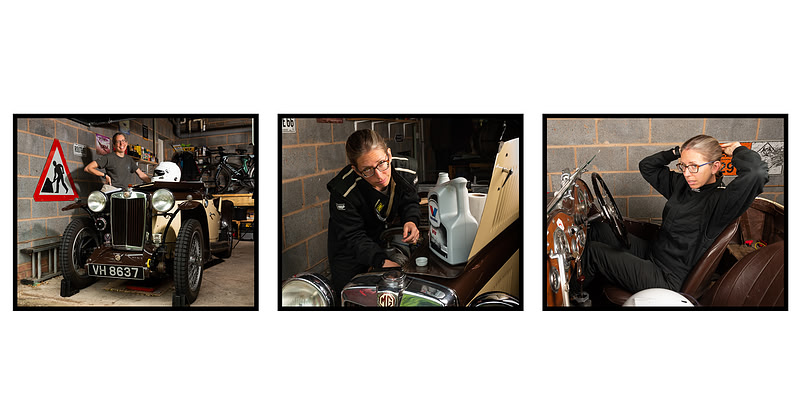
For my course, I wanted to present a triptych (a fancy word for 3 pictures together), that I thought best reflected Sarah’s story. To help with the selection, I asked my fellow students to pick their favourites, and of course, Sarah and Colin. This was the result:
The Triptych This experience was a new one for all of us. They hadn’t appreciated what was involved in setting up the shoot, which I was glad to learn they were fascinated by. For me, taking a step back from the creative process to be more of a technical manager of the camera, was a difficult thing to do, but rewarding. I think this is a mixture of my control-freakery and my creative curiosity, the former being a pain in the arse and the latter something I try to feed every day. The freedom to just try something with only an outline plan was wonderful, and I definitely attribute that to working with two very enthusiastic people who weren’t photographers. We were careful not to make Sarah’s story a ‘new stereotype’, where a woman is depicted as covertly masculine in this scenario. Instead, there is a passionate, yet undramatic feel to the pictures, which suggests racing as a hobby like any other; gender having nothing to do with it. Sarah's love for her sport comes through unhindered. I particularly liked the placement of the ‘men at work’ sign and Sarah’s racing bikes in the wider composition, for the contrasts that they bring as a challenge to any preconceptions the viewer might have. It was a great experience all round and I cannot wait to collaborate with a subject again in the future. “I have lots of crazy ideas that might make a good photograph”, says Sarah. Perhaps then, it won’t be that long before I do. |